Want to be a commercial pilot in India? Your journey from completing your Class 12 studies to obtaining your Commercial Pilot Licence (CPL) is very exciting and rewarding. In India, the Directorate General of Civil Aviation (DGCA) regulates pilot training programs and sets the standards that aspiring pilots must meet to become commercial pilots. A CPL will permit you to work with any airline, charter, cargo company, or aviation organisation.In this article, you will find everything about the pilot training program that you need to know.
A Commercial Pilot Licence (CPL) is a professional Licence issued by the Indian aviation authority, which enables pilots to fly aircraft commercially and get paid for their flying services. It is one of the most important Licences that any candidate should have to be an airline pilot.
A Complete Step-By-Step Guide for CPL
Step 1: Pass 10+2 with Physics and Mathematics
The primary requirement for CPL training is the completion of class 12th with Physics and Mathematics from a recognised board. The students who have passed Arts or Commerce can still pursue a pilot career by doing Physics and Mathematics from NIOS or any equivalent recognised system.
Eligibility Criteria
10+2 Qualification
Physics and Mathematics as subjects
Good communication skills in English
Passion for aviation and flying
2. Take DGCA Class 2 Medical Exam
Before investing in pilot training, candidates should undergo a DGCA Class 2 Medical Examination. The medical exam assesses the eyesight, hearing, heart, and overall fitness level of the candidate.
Why is It Important?
It confirms that the individual is eligible for pilot training
Helps in avoiding any issues with the Licence later on
The first step towards medical clearance in aviation
3. Take the DGCA Computer Number
The DGCA Computer Number is a unique ID number assigned to aspiring pilots. It is mandatory to appear in DGCA exams and maintain licensing records.
4. Join DGCA Ground School Training
Ground school training provides the theoretical foundation needed for flying. The subjects taught during the course include those that are necessary for the proper operation of the aircraft and for passing the DGCA Examinations.
Subjects Covered by the DGCA
Air Navigation
Aviation Meteorology
Air Regulations
Technical General
Technical Specific
Radio Telephony (RTR) Preparation
Many students prefer to take specialized DGCA ground courses to increase their chances of passing the examinations on their first attempt.
5. Pass the DGCA Theory Examinations
To obtain a CPL, it is necessary for the aspirants to clear all the required theory papers conducted by the DGCA.
Tips to pass the Examinations:
Maintain a proper study schedule
Practice with the previous year’s question papers
Take mock tests
Concentrate on understanding the concepts instead of memorization.
6. Complete DGCA Class 1 Medical
A proper DGCA Class 1 Medical Certificate is required before the issuance of a Commercial Pilot Licence.
7. Start Flying Training
Flying training is considered to be the most exciting part of the process. Students enroll in an approved Flying Training Organisation (FTO) and start practical training in flying.During flight training, students learn the following skills:
Aircraft Handling
Take-offs and landings
Solo flying
Cross-Country flying
Night flying
Instrument flying
This practical training will build confidence and professionalism in flying.
8. Complete 200 Flying Hours
According to DGCA requirements, aspiring commercial pilots must complete a minimum of 200 flying hours before they can qualify for a CPL. These hours cover solo flying, instrument flying, cross-country flying, etc.The time taken to accumulate the above-mentioned number of flying hours depends on weather conditions and the availability of aircraft.
9. Pass RTR and Skill Test
The candidate needs to pass the Radio Telephony Restricted (RTR) test and also complete the CPL skill test conducted by an authorized examiner. This ensures that the candidate is competent in communication skills and flying skills.
10. Application for Commercial Pilot Licence (CPL)
After completing all the educational, medical, theoretical, and practical requirements, the candidate becomes eligible to apply for a Commercial Pilot Licence (CPL).
Career Options After CPL
A Commercial Pilot Licence opens up several exciting career opportunities, including:
Airline First Officer
Charter Pilot
Cargo Pilot
Corporate Pilot
Flight Instructor
Aviation Operations Specialist
With the fast-growing aviation industry in India, there is always a demand for trained pilots.
Conclusion
Becoming a commercial pilot in India is a structured process that involves commitment, proper training, and following the guidelines provided by the DGCA. From completing Class 12 with Physics and Mathematics to getting your Commercial Pilot Licence, each step you take plays an important role in the development of your knowledge and skills required to become a good pilot. As the aviation industry is growing at a fast pace, now is an excellent time to pursue your dream of becoming a pilot.If you are a budding pilot looking for experts who can guide you through DGCA ground classes, CPL training, and career guidance, then Narain Aviation has the right solution for you.
FAQs
Can an Arts or Commerce student become a commercial pilot?
Yes. Students from the Arts or Commerce backgrounds can complete Physics and Mathematics through NIOS and become eligible for CPL training.
What is the minimum age requirement for getting a CPL?
Candidates have to be at least 18 years old to obtain a Commercial Pilot Licence.
How many flying hours are needed to get a CPL?
A minimum of 200 flying hours is required according to DGCA rules.
Is a DGCA Class 1 Medical Certificate mandatory?
Yes. A valid DGCA Class 1 Medical Certificate is necessary before issuing a CPL.
How much time does it take to become a commercial pilot?
Usually, the period to become a commercial pilot varies from 18 months to 3 years.
Fill the Details Below & Get a Free Guide on How to Become a Pilot.
He had served in the Meteorological Branch of the Indian Air Force for over 25 years. He not only has had years of experience in operational weather forecasting across the country but had also served in the capacity of Joint Director involving administrative and policy matters.
He was part of IPKF in Sri Lanka and served during various operations. He was actively involved in issuing timely forecasts for cyclones over Kutch and during earthquake at Bhuj.
He has deep knowledge of Meteorology and forecasting based on years of experience having served in most parts of the country. This practical knowledge mixed with years of teaching experience is very helpful in his current assignment.
Besides all of the above, he has had the opportunity of teaching Met for over five years to young trainee pilots at flying academies in Bidar and Hakimpet. At these places, young trainees from Fighter and Helicopter stream were trained to become pilots’ in the Indian Air Force.
A Squadron Commander in the IAF, she has handled the responsibilities of a Senior Air Traffic Controller, Radar Controller and a Duty Air Traffic Controller. She was the operational and administration head for more than 70 personnel in a squadron, which included officers and airmen.
Implementation of Airport procedures and enforcing field rules and regulations at diverse IAF bases with varied traffic conditions.
Successfully handled Aircraft operations as Senior Air Traffic controller at busy Air Force bases like Tezpur, Jodhpur, Bidar and Hakimpet which have complex flying environments, handling mixed traffic of defence as well as civil airplanes.
Successfully delivered results while working under challenging conditions and resource constraints. Possesses the ability to integrate and motivate diverse teams by creating positive work environment to facilitate high grade performance.
A retired fighter pilot, with versatile experience of 30 yrs. in the IAF, comprising Flying Training primarily, Operations and Flight Safety, apart from Surface to Air Missiles and Radars.
Over 17 yrs as a pilot, including second-in-command of a Flying Squadron. Total Flying of 2,350 hrs (4000 sorties), on Maruts, MiG-21s, Kirans, HT-2s and HPT-32s. Have force-landed aircraft without engine power twice, as a trainee (jet trainer aircraft) and as an Instructor (propeller trainer aircraft).
Qualified/Chief Flying Instructor twice at the Air Force Academy, 900 hrs instructional flying with trainees. Chief Ground Instructor at AF Stn Bidar, handling all Ground Training for flying
Commander of a Missile Squadron of 375 technical, operational and support personnel, for 3 yrs. Best Guided Weapons Squadron twice, 1997-98 and 1999-2000.
Director/Senior Flying Training Officer at HQ Training Command IAF, Bangalore for 5 yrs. Responsible for induction and operations of Hawk Advanced Jet Trainers and Flight Simulators at Bidar, Flying Instructors’ School at Tambaram and Surya Kiran Aerobatic Team (SKAT).
Qualified Flying Instructor, trained at Flying Instructors’ School, Tambaram, Chennai(1990) Second in Flying and fifth in overall merit at commissioning.
Air Marshal Ravinath Gururaj Burli (Retd) has a distinguished record of four decades of service. He has been an instructor at Flying Instructors School (FIS), Tactics And Combat Development Establishment (TACDE), Defence Services Staff College (DSSC).
He was Commandant at Air Force Academy (AFA), Dundigal, where he trained the young air force cadets learn flying training.
He brings his immense knowledge to train young students at our institute in Navigation, Instruments and Radio aids. His passion for teaching is amazing and fabulous.

 The primary requirement for CPL training is the completion of class 12th with Physics and Mathematics from a recognised board. The students who have passed Arts or Commerce can still pursue a pilot career by doing Physics and Mathematics from NIOS or any equivalent recognised system.
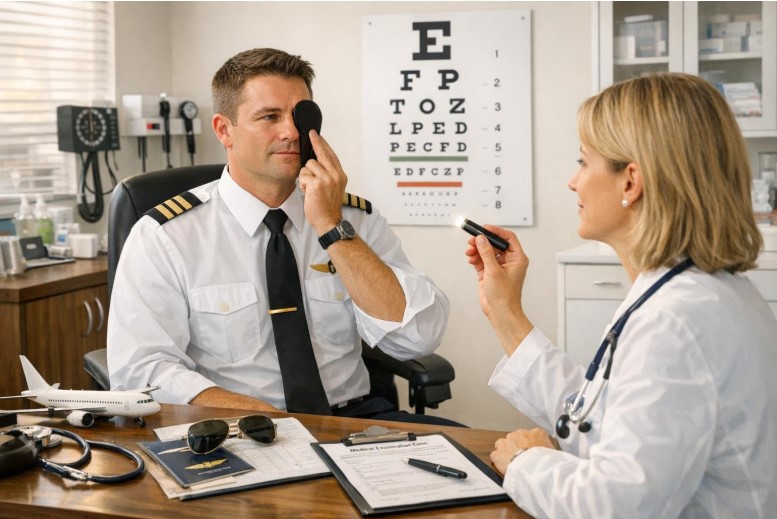 Before investing in pilot training, candidates should undergo a DGCA Class 2 Medical Examination. The medical exam assesses the eyesight, hearing, heart, and overall fitness level of the candidate.
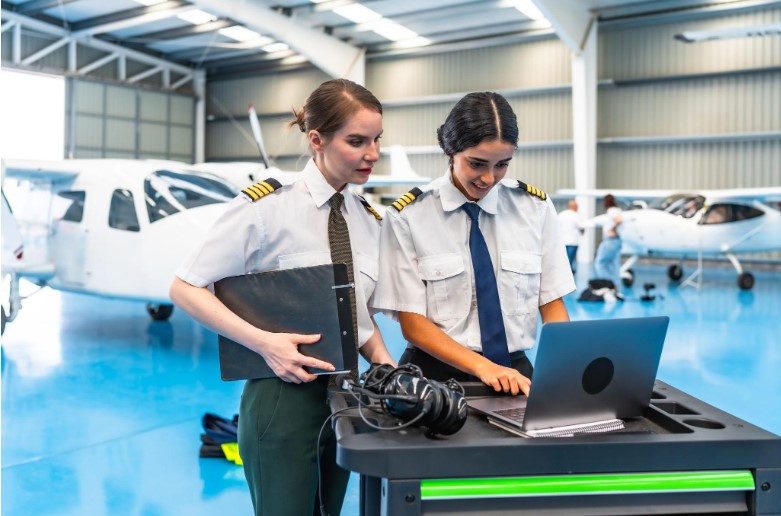 The DGCA Computer Number is a unique ID number assigned to aspiring pilots. It is mandatory to appear in DGCA exams and maintain licensing records.
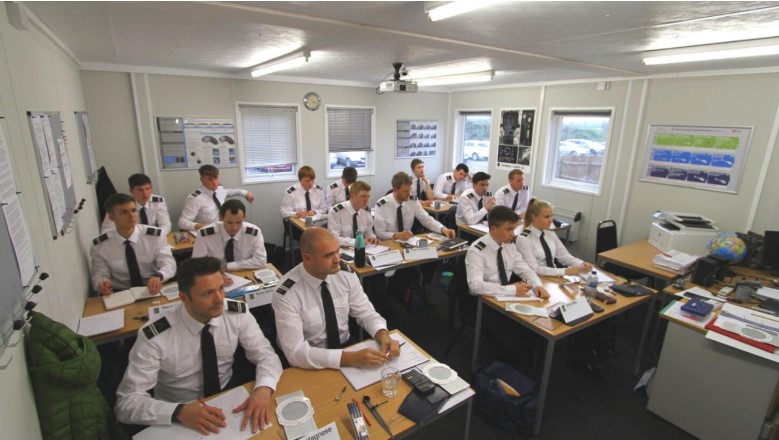 Ground school training provides the theoretical foundation needed for flying. The subjects taught during the course include those that are necessary for the proper operation of the aircraft and for passing the DGCA Examinations.
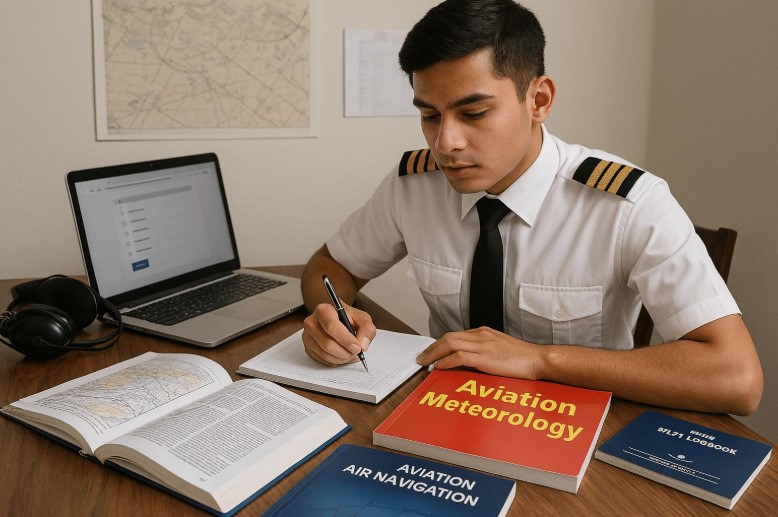 To obtain a CPL, it is necessary for the aspirants to clear all the required theory papers conducted by the DGCA.
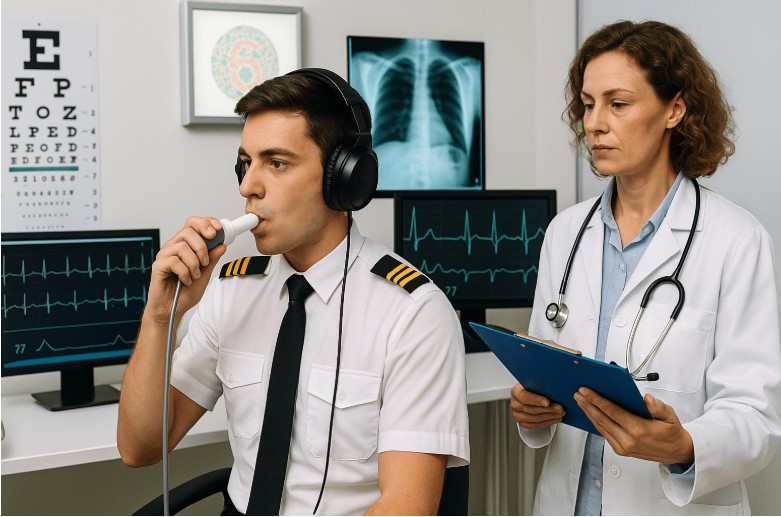 A proper DGCA Class 1 Medical Certificate is required before the issuance of a Commercial Pilot Licence.
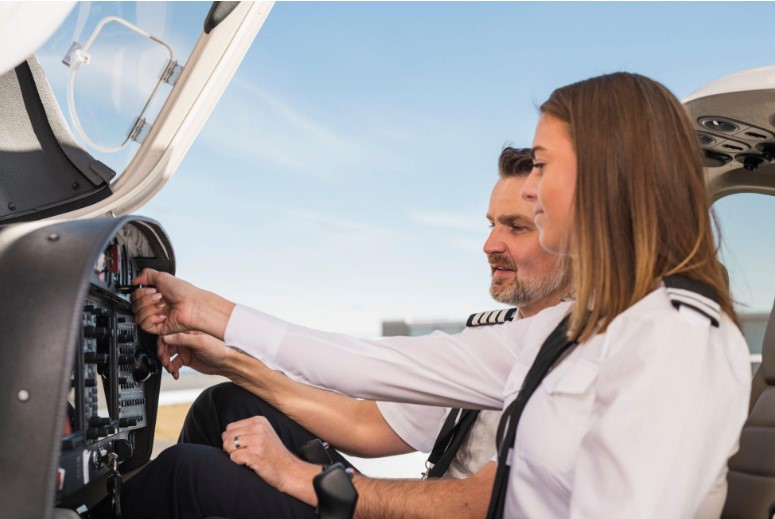 Flying training is considered to be the most exciting part of the process. Students enroll in an approved Flying Training Organisation (FTO) and start practical training in flying.During flight training, students learn the following skills:
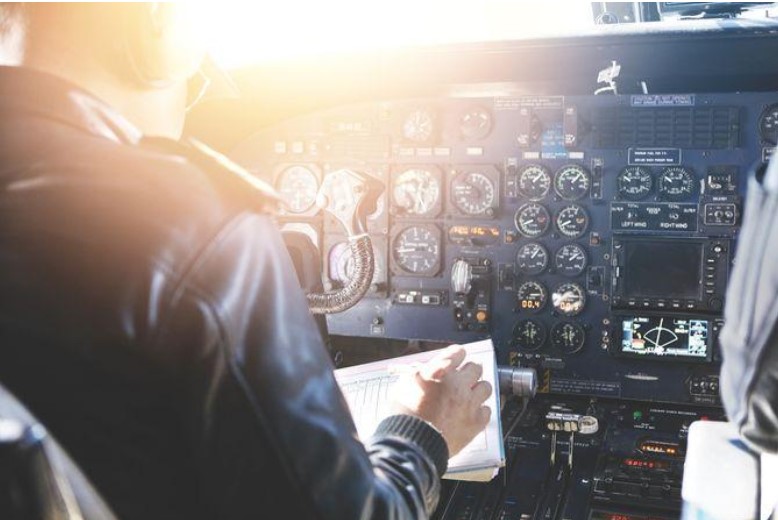 According to DGCA requirements, aspiring commercial pilots must complete a minimum of 200 flying hours before they can qualify for a CPL. These hours cover solo flying, instrument flying, cross-country flying, etc.The time taken to accumulate the above-mentioned number of flying hours depends on weather conditions and the availability of aircraft.
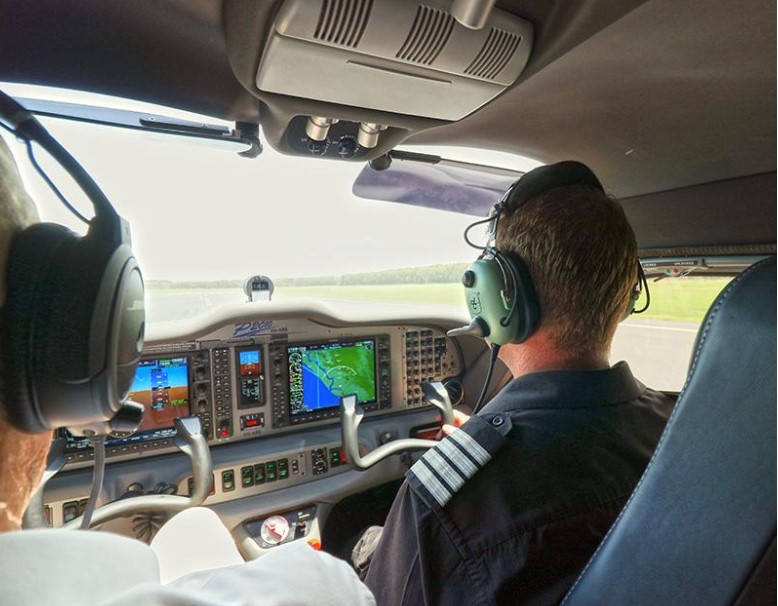 The candidate needs to pass the Radio Telephony Restricted (RTR) test and also complete the CPL skill test conducted by an authorized examiner. This ensures that the candidate is competent in communication skills and flying skills.
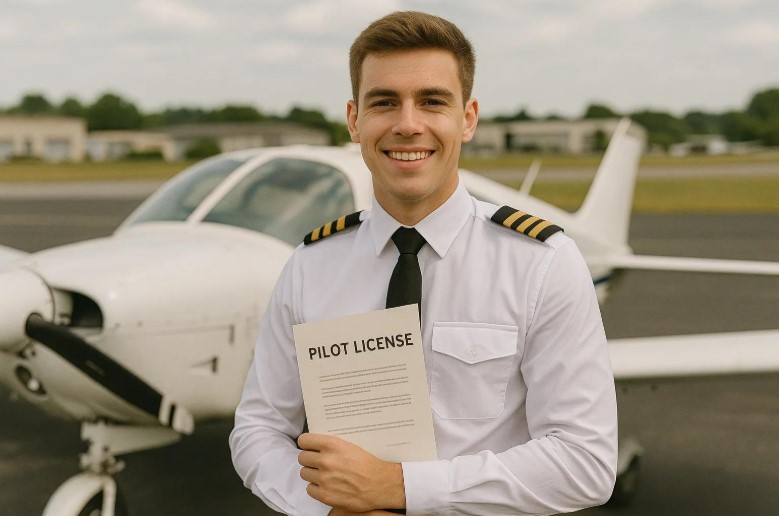 After completing all the educational, medical, theoretical, and practical requirements, the candidate becomes eligible to apply for a Commercial Pilot Licence (CPL).