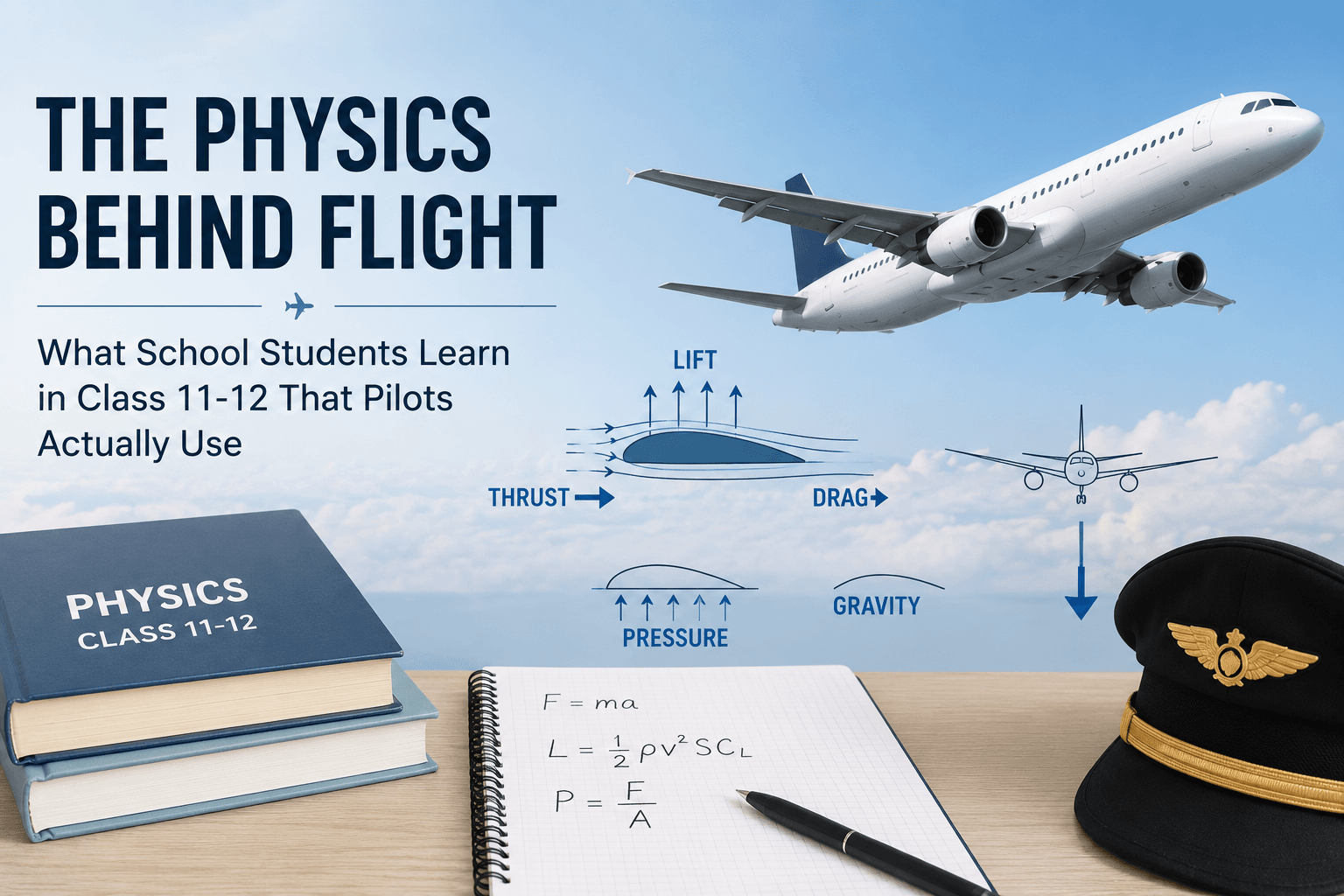
Important Physics Concepts of Class 11-12 That Pilots Actually Use

1. Newton’s Laws of Motion
Newton’s Laws of Motion are one of the first subjects taught in 11th-grade physics. It explains the principles of motion of all aircraft. These concepts are highly used by the pilots during their flying.- First Law: An aircraft lies still until the engines produce enough thrust to lift it up.
- Second Law: The bigger the thrust of the engine, the faster the airplane moves.
- Third Law: Jet engines throw gases backward and so the airplane is pushed forward.
2. Different forces used in the aviation sector
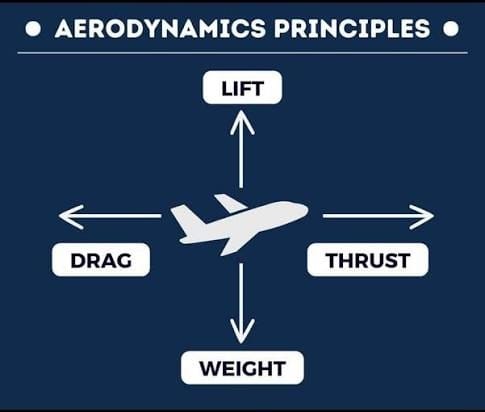 Different types of forces are of high use in the aviation industry. The aircraft experiences all of these forces in one or another form.
- Lift is a type of force that will lift the airplane above
- Weight is often called gravity and pulls the aircraft down.
- Thrust moves the aircraft forward on the runway to have a smooth take off.
- Drag slows the aircraft down on the runway and acts as a braking system.
3. Air Pressure and Bernoulli Principle
 Students in class 11 learn about fluid and pressure thus understanding how wings produce lift. The upper side of the wing is curved. The air moves faster over the upper wing than over its lower side. The air that is moving faster creates lower air pressure than that which is moving slowly under the wings thus producing lift and allowing the aircraft to fly.
4. Velocity, Acceleration, and Speed
 Physics teaches students about velocity acceleration and speed, which helps pilots greatly every time they fly. Before flying, the plane has to reach a certain speed. When landing, the pilot decreases the speed while keeping it under control. When climbing, descending, or while moving in a different direction, the pilot always checks the speed of the aircraft. The pilot understands everything about the motion and monitors it continuously to make the best decisions during the flight.
5. Gravity and Weight
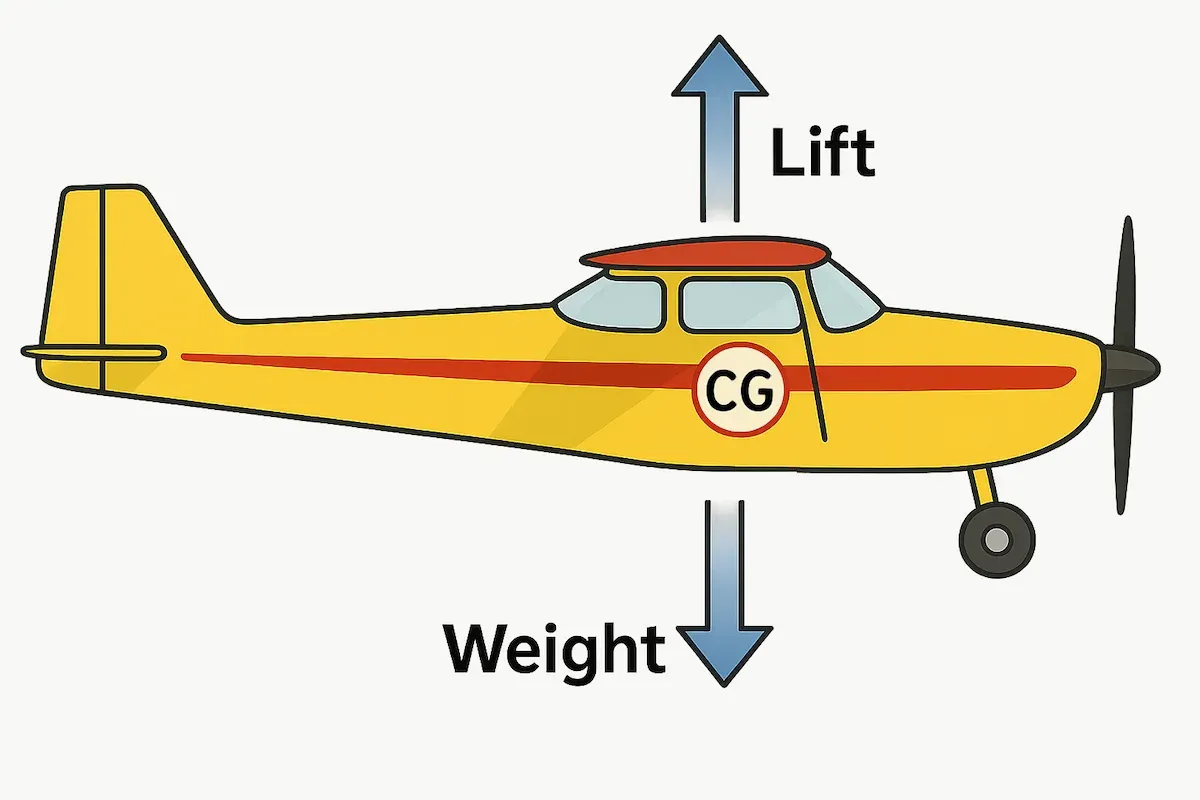 Gravity affects all things on Earth, including aircraft. Beginning with the takeoff, aircraft engines and wings are used to offset the attraction of gravity. Weight has a significant impact on the performance of aircraft. A heavier aircraft requires a longer runway for takeoff and more engine thrust. This is the main reason why pilots know the weight of the aircraft before any flight.
6. Circular Motion in Turns
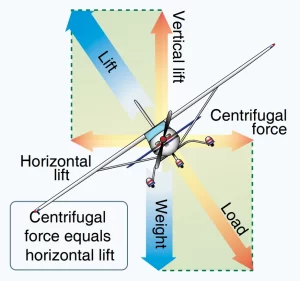 Instead of just turning, the aircraft in question banks its wings while taking a curved flying path. The basics of the principle of centripetal force, which has been described in Class 11 Physics, help to understand why it cannot turn without banking. Depending on the speed and height of the airplane, its pilot has to determine the amount of banking.
7. Weather and Atmospheric Physics
 The field of physics also deals with the atmosphere.
- Temperature
- Wind speed
- Air pressure
- Air density
8. Energy and Aviation Engines
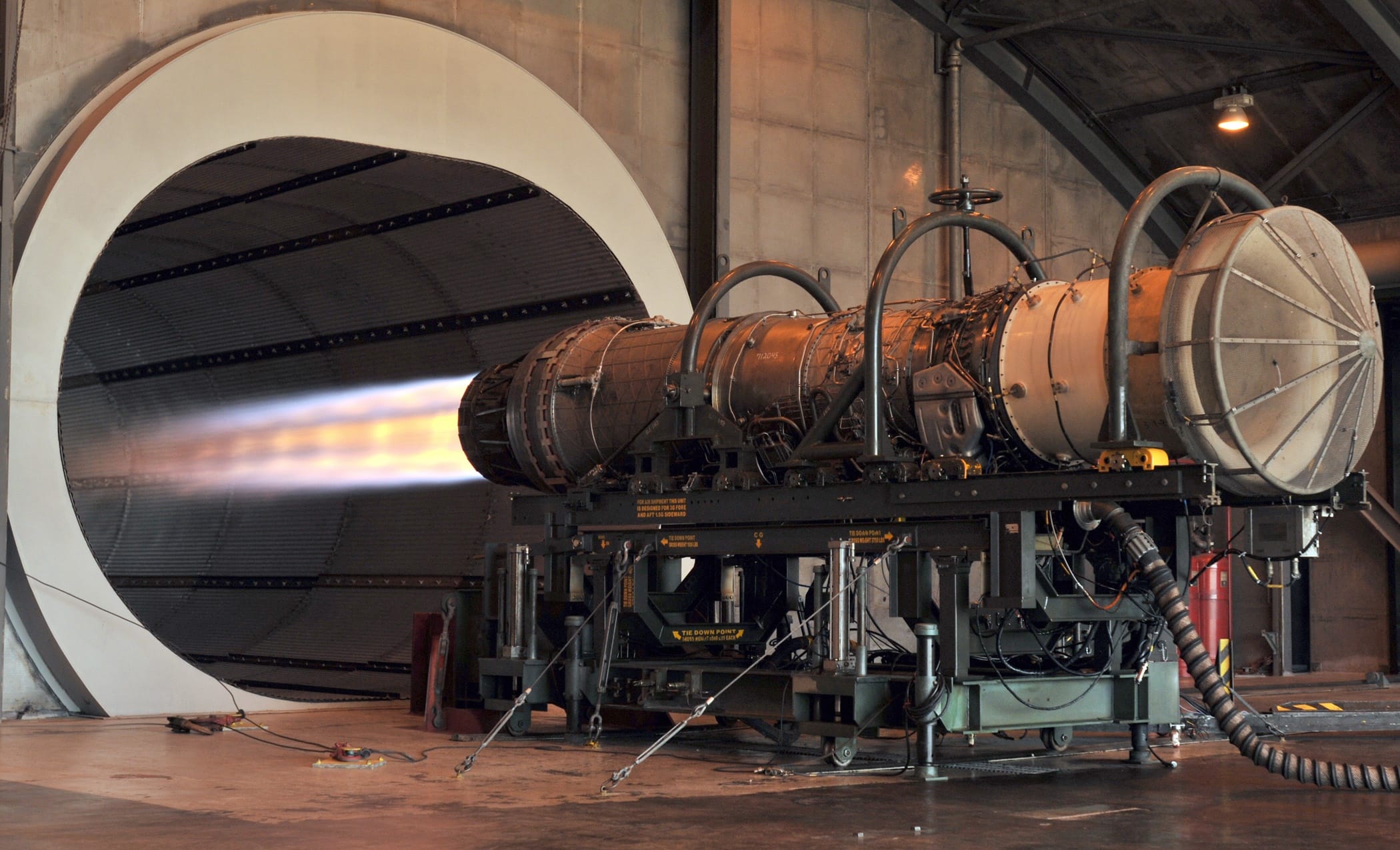 Class 11 students study various forms of energy such as kinetic and potential energy. Aircraft engines have the capacity to change or transform the chemical energy present in aviation fuel into mechanical energy to generate thrust. This thrust generated will help the aircraft to move in the forward direction for take-off.In the same way:While climbing, an airplane gets potential energy. While descending, potential energy gets transformed into kinetic energy. This transformation of energy takes place throughout any flight.
9. Reasons for Learning Physics by Pilots
Many students often question whether the pilots make use of physics in their work. The answer is yes.Physics helps the pilots in:- Knowing the airplane’s performance.
- Making safety decisions.
- Dealing with emergencies.
- Interpreting flight instruments.
- Coordinating with the flight instructors and engineers.
10. Importance of Class 11-12 Physics to Future Pilots
The students aspiring to become commercial pilots tend to focus on clearing entrance tests and medicals. Knowing physics will help the student to grasp and understand flying much better. There are some important concepts like force, pressure, and fluid mechanics in physics that play a crucial role during the flying of aircraft.Blockquote“The Physics you learn in school is the same science that helps pilots fly safely every day.”
Conclusion
Physics is one of the most crucial subjects for a commercial pilot aspirant. They should know about the basics of physics and advanced concepts to fly the aircraft effectively. The concepts used in physics are being used by the pilot on a daily basis during their flying training and real-world flying. If you are planning to become an instructor, physics class attendance can give you a good basis for your flying career.Narain Aviation is one of the most trusted and reputed flying institutes in India. They have industry-experienced mentors and offer the highest quality training to the students. Feel free to talk to our counselors about the CPL training in India.Contact Details
Flying school – Narain AviationAddress – M-170, 2, 2nd Main Rd, East Of NGEF, Kasturi Nagar, Bengaluru, Karnataka 560043
Contact – +91-9148402949
WhatsApp – 919945225068
E-mail – [email protected]