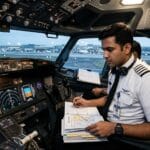
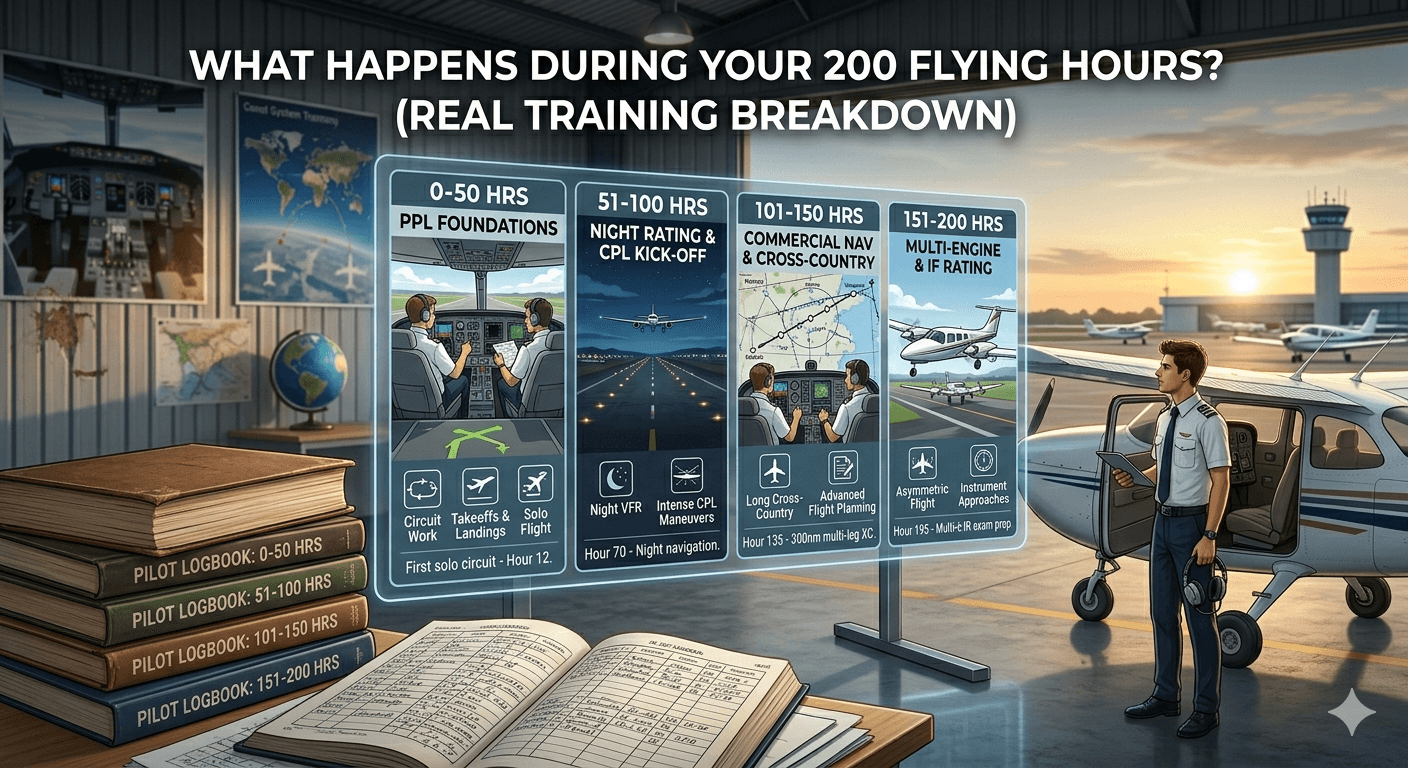
You’ve chosen to take the plunge into the world of commercial aviation. This is the bravest decision you can make! However; there are so many aspiring aviators that never ask the question; what do I have to do during my 200 flying hours requirement for CPL? You are not just sitting in the cockpit looking at a watch, waiting for the hour to expire. Each of those hours is carefully planned, structured, and designed to get an individual from “no experience” to being an “experienced, capable pilot.” If you want to know what your journey will be like from your first flight to your final hour, please take a look at the outline below.
The DGCA demands that a person who wants to obtain a Commercial Pilot License in India must complete at least 200 hours of flight time. This flight time is further categorized to ensure that each person receives training in every area of flight operation. Flight trainingis broken down into the following categories: dual (with instructor), solo, cross-country, instrument (night), and night. Each category of flying builds on the last category, thus progressively increasing your skill level.
Phase 1: Dual Flying — Learning the Fundamentals (0–50 Hours)
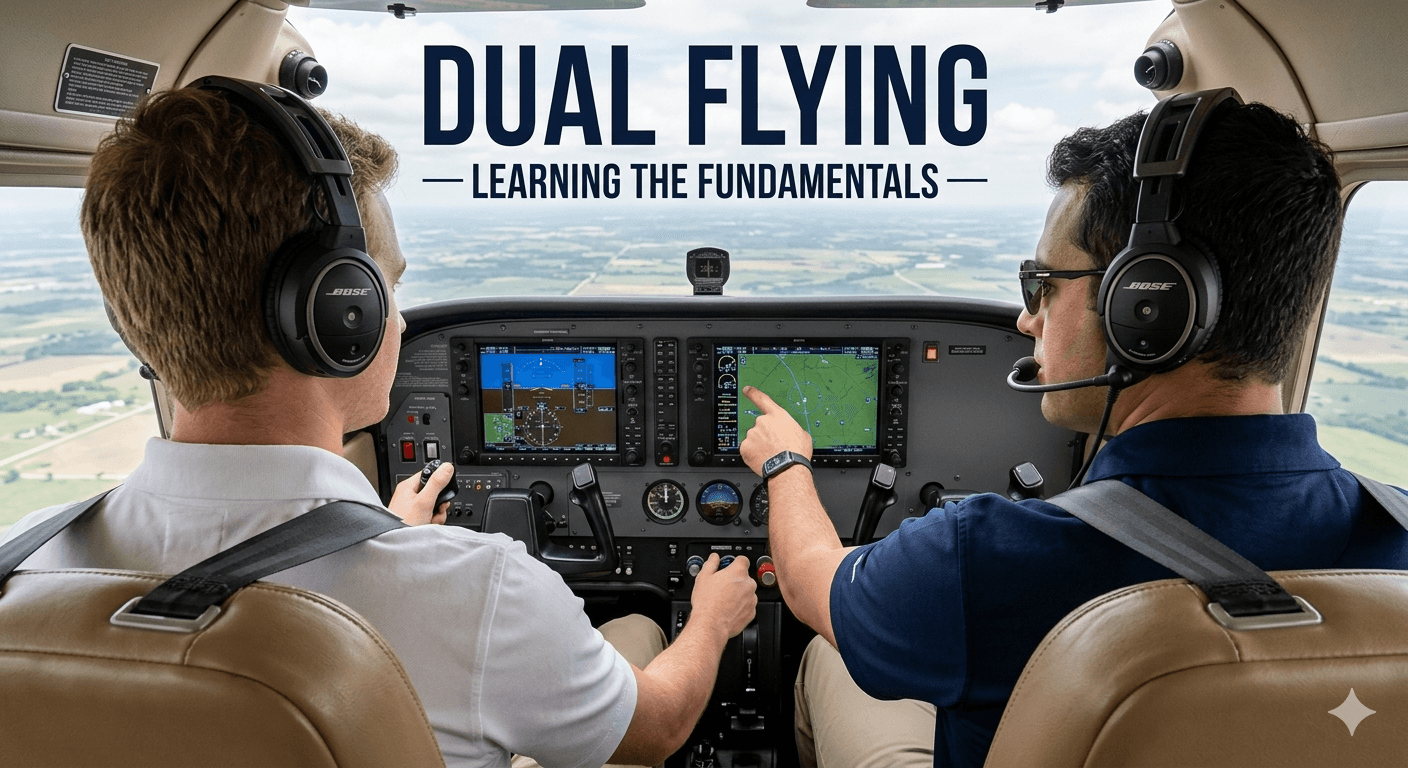
The first training stage consists of dual flights, wherein a certified flight instructor will be present at your side during each flight, providing guidance for each of your actions during each phase of flying. This stage involves learning all of the fundamentals required by every pilot: straight and level flight; climb, descent, and turn procedures; and control inputs. You will also practice emergency procedures including engine failure drills and forced landings. This stage of training is of utmost importance because it creates the muscle memory and situational awareness you will utilize while flying an aircraft. There is no substitute for the experience of being in an aircraft, regardless of the amount of theory you have learned through your DGCA ground school courses.
Phase 2: Going Solo — The Real Confidence Builder (50–100 Hours)
That awesome feeling develops once your instructor gives you the thumbs up that you are ready to fly solo for the first time. You will have an amazing experience flying solo — that’s for sure! You will fly solo for circuits, touch and go landings, and some short navigation flights. Your confidence builds through these solo experiences as you grow to trust your training, make quick decisions and take responsibility for the aircraft. DGCA has specific requirements regarding solo flight hours (including solo cross country), so you will need to plan and execute your flight route from one airport to another when carrying out cross country flights.
Phase 3: Cross-Country Navigation — Thinking Like an Airline Pilot (100–150 Hours)
Cross country trips give you a new level of training. Now you will be going from one city to another, having to have enough fuel for your trip, and having to deal with the weather as it changes. You will have to do cross country flying with another person and without. This helps you to be a strategic thinker — not just fly the plane but complete all tasks associated with flying. The actual reward is that these hours you will be building experience will resemble what you would do in a real airline operation and this is where most students find they enjoy flying long distances.
Phase 4: Instrument Flying and Night Flying — The Final Frontier (150–200 Hours)
The last part of your 200 hour training may be the hardest. When flying by instruments, you’ll learn to use only the cockpit instruments to fly the airplane (e.g., you won’t have any visual cues or visual references; you just have your cockpit panel). Night flying introduces a new environment with different senses, and your ability to judge the distance of an object will be more difficult than it would be during the day. The DGCA regulation requires you to fly with instruments (i.e., no visual references) and with lights out at night. You must also complete both types of flying to prepare you for actual airline flying where the flying conditions are not perfect.
Conclusion: Every Hour Counts — Make Them Count with the Right Institute
200 hours can seem like a lot of hours to fly, but they really do go so fast when you do something you enjoy! The place where you are trained and the person who is training you will make a huge impact on your experience. At Narain Aviation, the premier Commercial Pilot School in Bangalore, all of your 200 hours of flight time come from highly experienced instructors who have been trained in the Air Force and/or the airline industry and also provide you with flight training and general ground school that are aligned with the DGCA requirements of India. Narain Aviation also provides you with many options for your international flying training — South Africa, USA, Philippines, and New Zealand! With more than 1,000 students successfully completing Narain Aviation’s Commercial Pilot Course, Narain Aviation stands by its transparency and offers a student-first approach to training. Narain Aviation believes that your flying hours will not only be logged but will be281hunted actuality!
FAQs
Do all 200 flying hours have to be completed in India?
You don’t have to do all of your flying hours in India! Students have successfully completed their flying training in countries such as South Africa, the USA, the Philippines & New Zealand. These nations offer superior weather conditions, lower living/training costs & a shorter timeframe to complete the training. Flying instruction will be acceptable to the DGCA only if you attended an approved flight school and that their instruction was done in a manner in which those hours can convert to your DGCA CPL. While you have the option to fly to any place of your choice, you need to ensure you keep it DGCA compliant from day one.
How long does it take to complete 200 flying hours?
Realistically, there is no fixed time frame. Factors such as where you fly and how often you fly will all influence the length of time to complete your 200 hours. For most, this will typically take between 18 and 24 months depending on other things such as weather, aircraft availability, airspace availability, etc. Training outside of your home country can often be done much faster due to superior flying conditions and the abundance of available aircraft in comparison to certain other locations within the United States of America.
Can I start flying training before clearing all my DGCA ground exams?
In order to begin flying, it is required that you have completed both your Class 2 medical and Student Pilot License (SPL). It is not necessary to have passed all the written DGCA examinations prior to starting flight training; however, passing your ground subjects while accumulating your flying hours will provide you the best chance of staying on course and having an understanding of what is happening in the cockpit.
What is the difference between dual hours and solo hours?
Dual (with an instructor on the flight) and solo (you are the only one on board). Both types of flight time are required by DGCA regulations. Dual hours are when you learn from your instructor, while solo hours help you build confidence as an aviator as you will be doing everything during a solo flight.
Fill the Details Below & Get a Free Guide on How to Become a Pilot.
He had served in the Meteorological Branch of the Indian Air Force for over 25 years. He not only has had years of experience in operational weather forecasting across the country but had also served in the capacity of Joint Director involving administrative and policy matters.
He was part of IPKF in Sri Lanka and served during various operations. He was actively involved in issuing timely forecasts for cyclones over Kutch and during earthquake at Bhuj.
He has deep knowledge of Meteorology and forecasting based on years of experience having served in most parts of the country. This practical knowledge mixed with years of teaching experience is very helpful in his current assignment.
Besides all of the above, he has had the opportunity of teaching Met for over five years to young trainee pilots at flying academies in Bidar and Hakimpet. At these places, young trainees from Fighter and Helicopter stream were trained to become pilots’ in the Indian Air Force.
A Squadron Commander in the IAF, she has handled the responsibilities of a Senior Air Traffic Controller, Radar Controller and a Duty Air Traffic Controller. She was the operational and administration head for more than 70 personnel in a squadron, which included officers and airmen.
Implementation of Airport procedures and enforcing field rules and regulations at diverse IAF bases with varied traffic conditions.
Successfully handled Aircraft operations as Senior Air Traffic controller at busy Air Force bases like Tezpur, Jodhpur, Bidar and Hakimpet which have complex flying environments, handling mixed traffic of defence as well as civil airplanes.
Successfully delivered results while working under challenging conditions and resource constraints. Possesses the ability to integrate and motivate diverse teams by creating positive work environment to facilitate high grade performance.
A retired fighter pilot, with versatile experience of 30 yrs. in the IAF, comprising Flying Training primarily, Operations and Flight Safety, apart from Surface to Air Missiles and Radars.
Over 17 yrs as a pilot, including second-in-command of a Flying Squadron. Total Flying of 2,350 hrs (4000 sorties), on Maruts, MiG-21s, Kirans, HT-2s and HPT-32s. Have force-landed aircraft without engine power twice, as a trainee (jet trainer aircraft) and as an Instructor (propeller trainer aircraft).
Qualified/Chief Flying Instructor twice at the Air Force Academy, 900 hrs instructional flying with trainees. Chief Ground Instructor at AF Stn Bidar, handling all Ground Training for flying
Commander of a Missile Squadron of 375 technical, operational and support personnel, for 3 yrs. Best Guided Weapons Squadron twice, 1997-98 and 1999-2000.
Director/Senior Flying Training Officer at HQ Training Command IAF, Bangalore for 5 yrs. Responsible for induction and operations of Hawk Advanced Jet Trainers and Flight Simulators at Bidar, Flying Instructors’ School at Tambaram and Surya Kiran Aerobatic Team (SKAT).
Qualified Flying Instructor, trained at Flying Instructors’ School, Tambaram, Chennai(1990) Second in Flying and fifth in overall merit at commissioning.
Air Marshal Ravinath Gururaj Burli (Retd) has a distinguished record of four decades of service. He has been an instructor at Flying Instructors School (FIS), Tactics And Combat Development Establishment (TACDE), Defence Services Staff College (DSSC).
He was Commandant at Air Force Academy (AFA), Dundigal, where he trained the young air force cadets learn flying training.
He brings his immense knowledge to train young students at our institute in Navigation, Instruments and Radio aids. His passion for teaching is amazing and fabulous.
 The first training stage consists of dual flights, wherein a certified flight instructor will be present at your side during each flight, providing guidance for each of your actions during each phase of flying. This stage involves learning all of the fundamentals required by every pilot: straight and level flight; climb, descent, and turn procedures; and control inputs. You will also practice emergency procedures including engine failure drills and forced landings. This stage of training is of utmost importance because it creates the muscle memory and situational awareness you will utilize while flying an aircraft. There is no substitute for the experience of being in an aircraft, regardless of the amount of theory you have learned through your DGCA ground school courses.
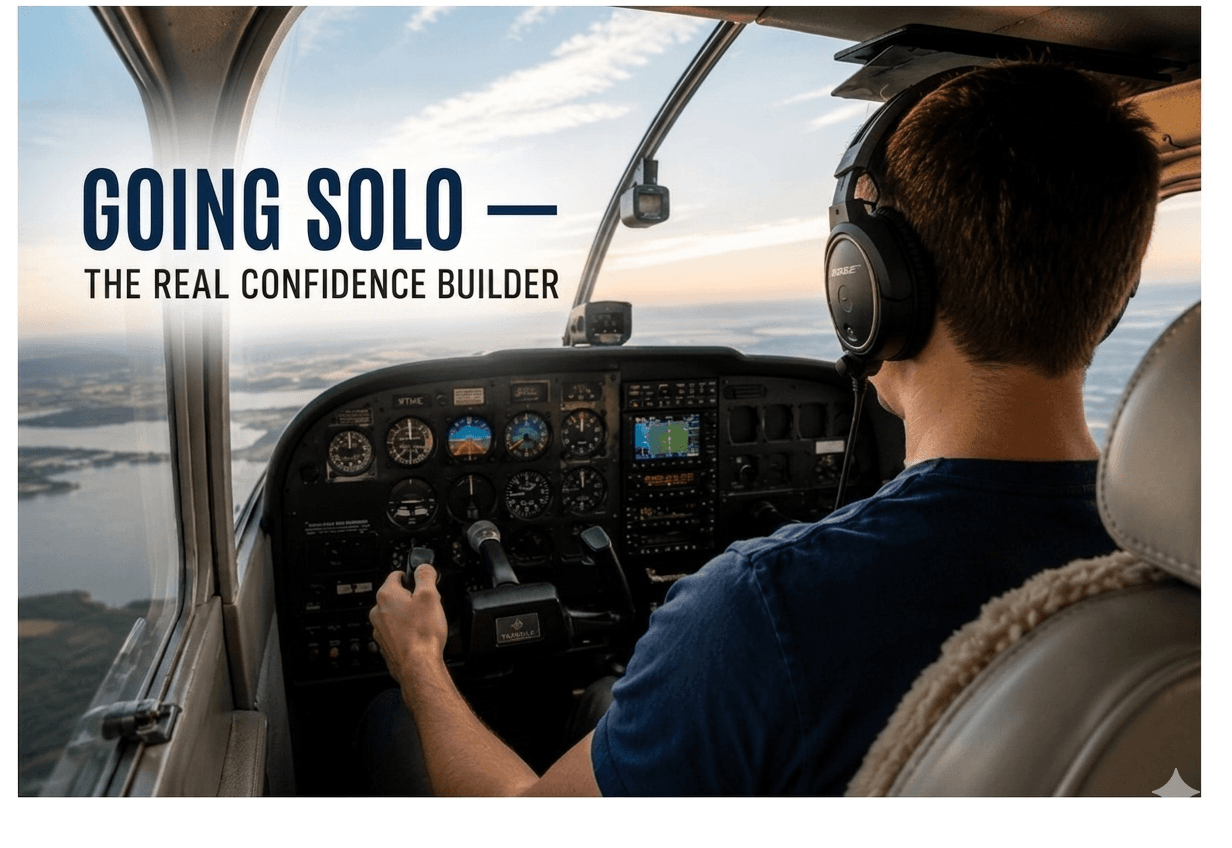 That awesome feeling develops once your instructor gives you the thumbs up that you are ready to fly solo for the first time. You will have an amazing experience flying solo — that’s for sure! You will fly solo for circuits, touch and go landings, and some short navigation flights. Your confidence builds through these solo experiences as you grow to trust your training, make quick decisions and take responsibility for the aircraft. DGCA has specific requirements regarding solo flight hours (including solo cross country), so you will need to plan and execute your flight route from one airport to another when carrying out cross country flights.
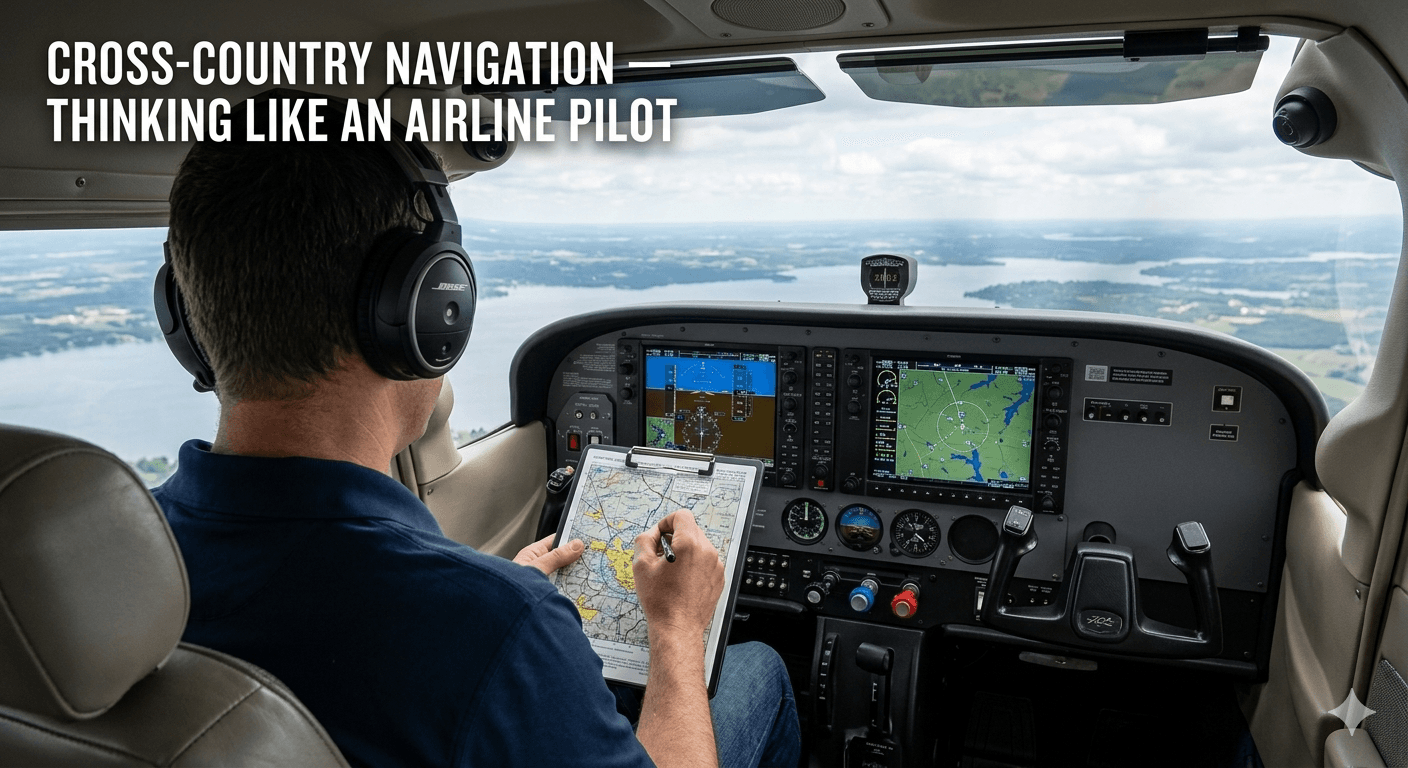 Cross country trips give you a new level of training. Now you will be going from one city to another, having to have enough fuel for your trip, and having to deal with the weather as it changes. You will have to do cross country flying with another person and without. This helps you to be a strategic thinker — not just fly the plane but complete all tasks associated with flying. The actual reward is that these hours you will be building experience will resemble what you would do in a real airline operation and this is where most students find they enjoy flying long distances.
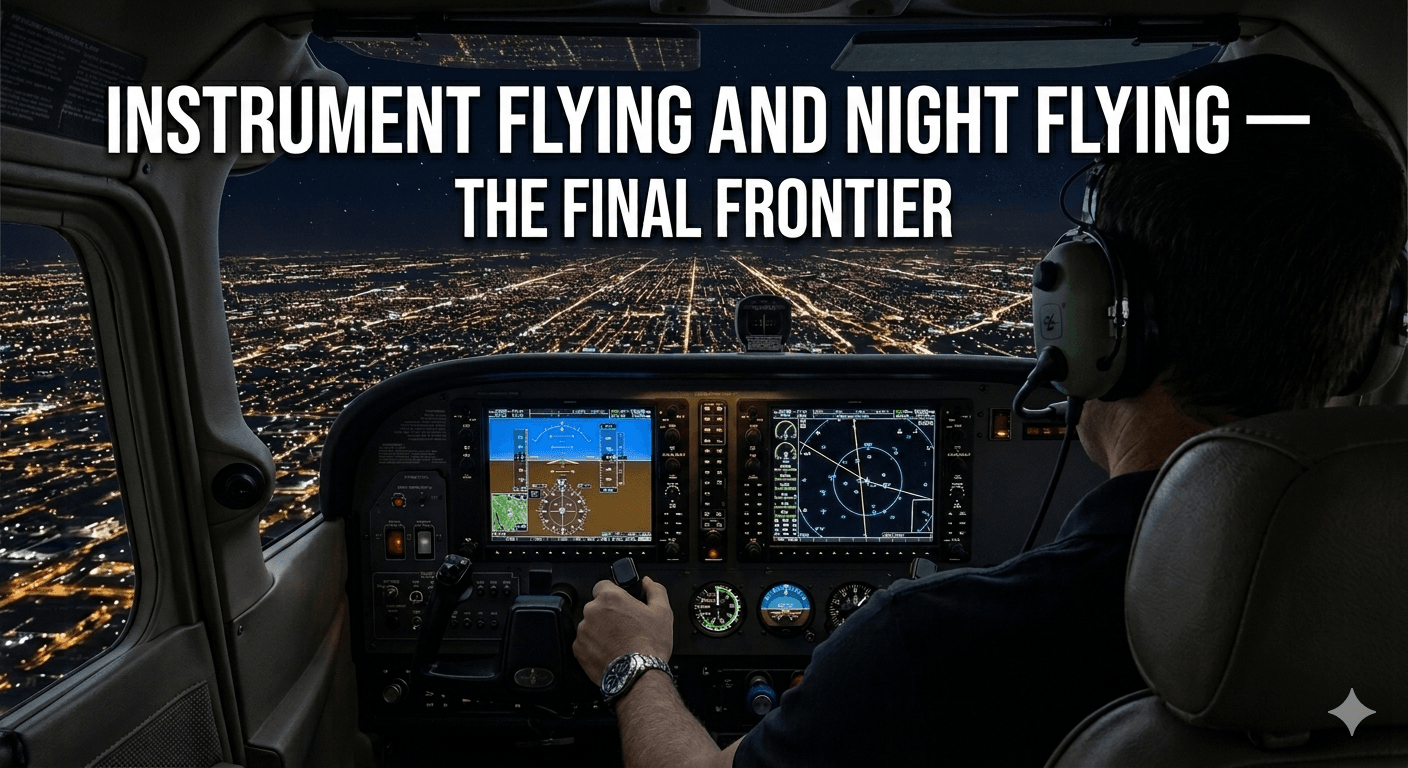 The last part of your 200 hour training may be the hardest. When flying by instruments, you’ll learn to use only the cockpit instruments to fly the airplane (e.g., you won’t have any visual cues or visual references; you just have your cockpit panel). Night flying introduces a new environment with different senses, and your ability to judge the distance of an object will be more difficult than it would be during the day. The DGCA regulation requires you to fly with instruments (i.e., no visual references) and with lights out at night. You must also complete both types of flying to prepare you for actual airline flying where the flying conditions are not perfect.