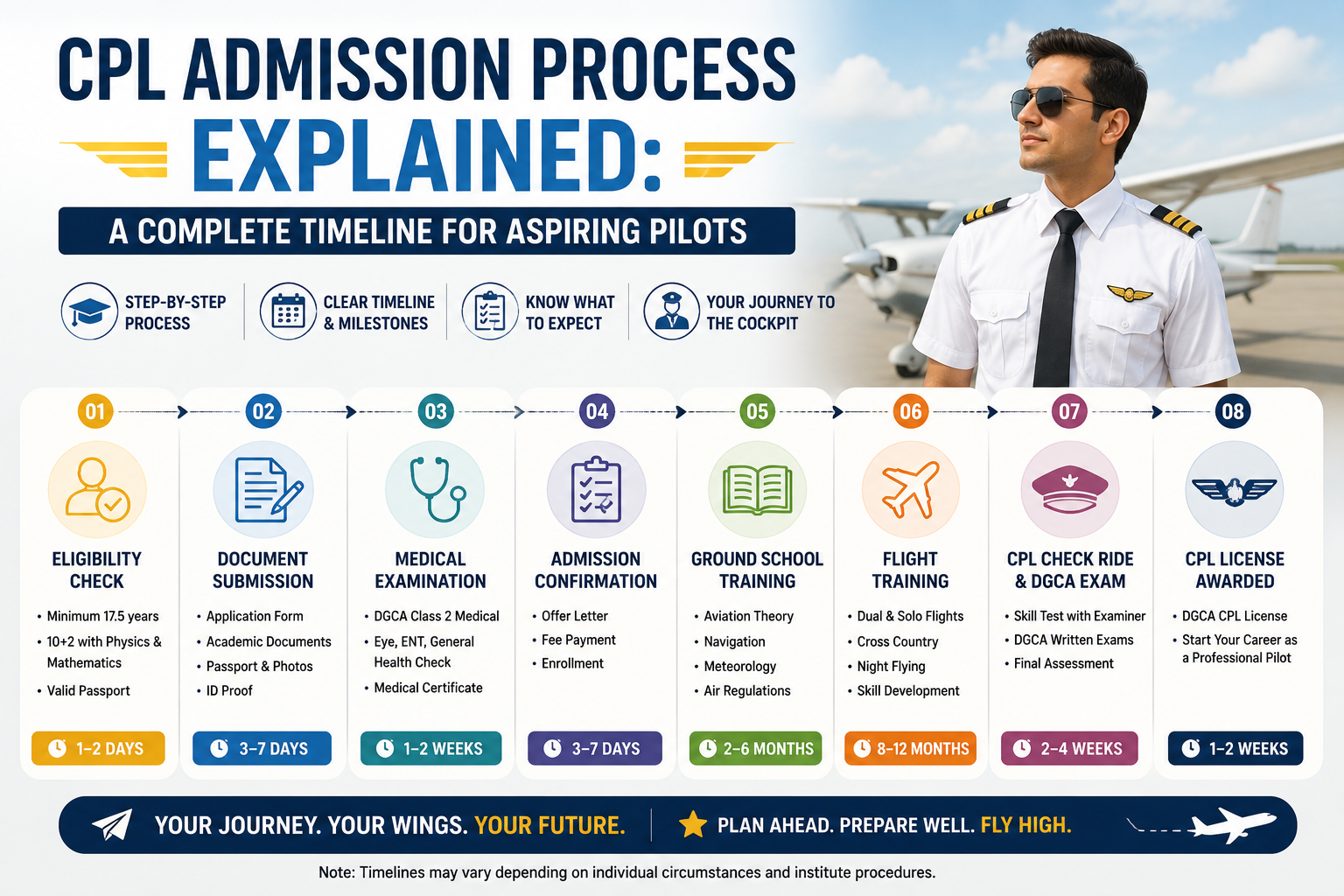
CPL Admission Process and A Complete Timeline

Step 1 – Check Eligibility (1 – 2 weeks)
Before applying to any flying school, be sure to check that you are eligible based on the following criteria:- The student must be at least 17 years of age to begin training (18 years required before receiving CPL).
- You must have completed grades 10 and 12 with Physics and Math from an accredited board.
- In addition to completing the above criteria, applicants for either CPL should demonstrate English language proficiency.
- All applicants must present themselves as medically fit based on the standards of the appropriate national aviation authority.
Step 2 – Obtain Class II Medical Certificate (2–4 Weeks)
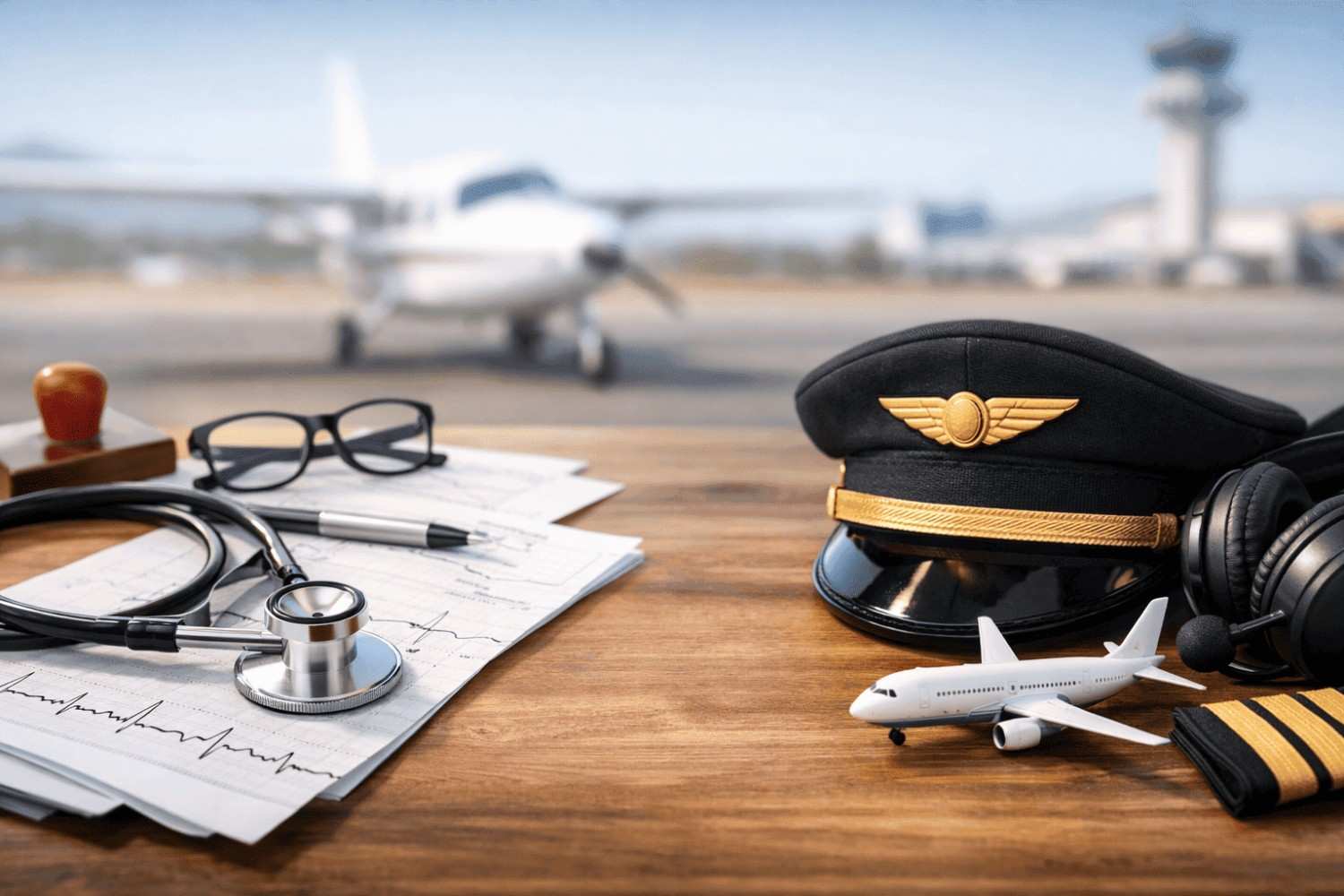 The Class II Medical Certificate is the very first of the physical requirements to obtain your CPL; for every Pilot there is a Medical Certificate and obtaining the Class II Medical Certificate is done through a detailed medical examination by a certified aviation Medical Examiner. This examination will identify any medical concerns that could affect the ability of an individual to fly including their eyesight, hearing, their cardiovascular condition and a detailed medical history including their general health status.Once you’ve finished the process, you can start thinking about how to do your admissions. Many students end up transitioning to a Class I Medical Certificate after they’ve been issued a Class II, which they need for a Commercial Pilot License (CPL).It’s a good idea to begin your medical evaluation early on so that you can avoid unnecessary delays in the admission process.
Step 3: Research and select the right flying academy (2–6 weeks)
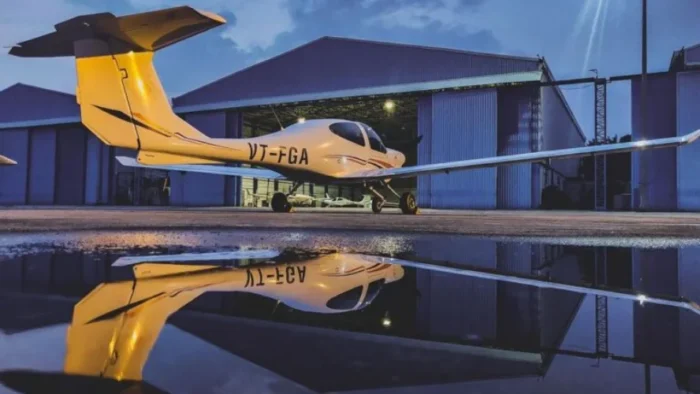 Another important factor in your CPL journey is the quality and duration of training you receive by selecting the right school. It is very important to evaluate DGCA-approved flying schools or schools that follow the syllabus provided by the DGCA. The school is decided Based on key factors, such as the number of years of experience each instructor has, the types of aircraft they will use for training (aircraft fleet), whether or not they have flight simulators available to students, their safety record, student testimonials, the costs associated with training, the amount of support you can expect to receive after you graduate from that school, etc.Visiting flight schools when you are making your selection is also very important; this will allow you to see the school facility, meet the current students, and learn about what a typical week of training will involve and how many aircraft will be available to you at that school.Having a flight training institute that has all the latest and well-maintained aircraft will help you lear easily and pass your early. The school must have quality instructors as well to guide the students in the best possible way.
Step 4: Submit your admission application (1–3 weeks).
Once you have selected the school of your choice, you will need to finish the admission process:The majority of flying schools require the following documents:- 10th-grade mark sheet
- 12th grade mark sheet
- Copy of identification
- Copy of your passport
- passport-size photographs
- Copy of your Class II medical certificate
- Address verification (utility bill)
- Personal interview
- Basic aptitude test
- English proficiency test
Step 5: Complete the ground school training (4-6 months)
 The ground school serves as the foundation of your training as a pilot in theory. Pilot students will complete the following subjects in this phase:
- Air Navigation
- Aviation Meteorology
- Aviation Regulations
- General aircraft technology
- Radio Telephony
- Aviation Safety
Step 6 – Start the flying training (12–18 Months)
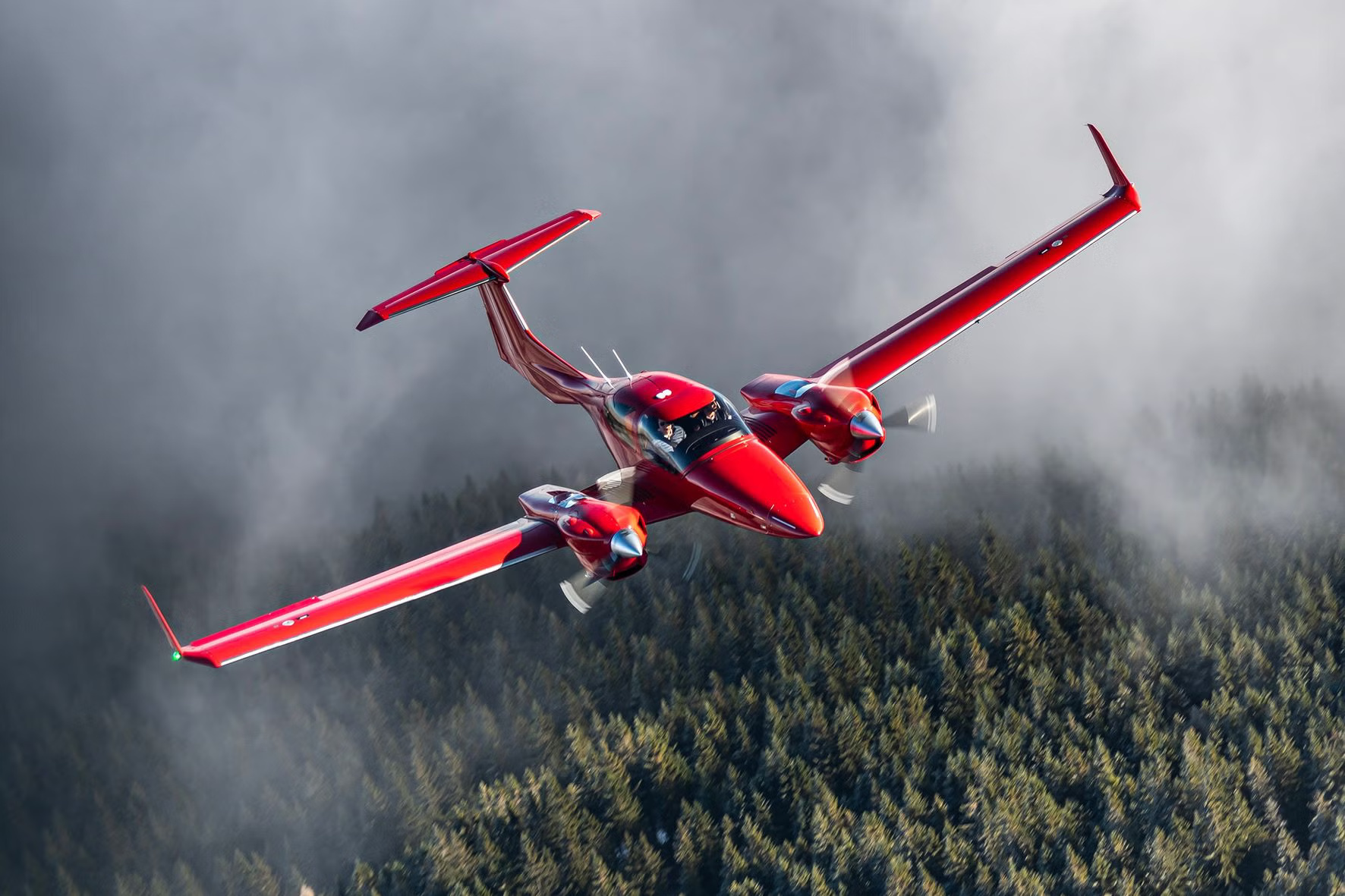 Pilots take 12 to 18 months to complete their flight training after the initial ground-based classes, which may overlap.As part of their flight training, students will progress through many different elements, including
- learning how to use an aircraft
- flying with an instructor
- flying alone
- navigation over long distances
- flying at night
- flying with instruments
- emergency procedures
Step 7: Pass DGCA Examinations and Skill Test (Throughout Training)
 Once you have started at flight school, you will need to complete a variety of theory and practical exam requirements required by the DGCA (Directorate General of Civil Aviation). Most course providers offer many tests that cover theory-based subjects such as Air Navigation, Air Regulations, Aviation Meteorology, and General Aircraft Technical Knowledge,In addition to proficiency testing on flight skills and abilities to safely operate an aircraft, as well as the Radio Telephony exam. All of these tests and exams will ultimately determine your eligibility to obtain your CPL.
Step 8: Apply for Your CPL (1-3 Months)
Applying for the commercial pilot license is the last step of all. The step comes after you have successfully passed the medical exams and flying training, and now you can apply for the license.Understanding the tips to get the CPL license quicker
Preparing always in advance provides the best time and early understanding of the whole program. It will be completed easily without any friction for the students.- The DGCA medicals are the top priority. They must be presented early, before even applying for the CPL license.
- Always keep the necessary document in hand to avoid any delay.
- Choose a school with a constant fleet of airplanes available for use.
- Record good attendance throughout your ground and flight training.
- Maintain physical fitness to keep away from medical issues during your training.
- Be diligent in keeping a record of your flying hours with your instructors.
Blockquote
“Every successful pilot begins with a clear flight plan. Understanding the CPL admission process today helps you navigate a smoother path toward a successful aviation career tomorrow.”
Conclusion
The CPL evaluation process is a well-organized pathway that requires you to complete each step of the academic, medical, theoretical and practical flight elements to be licensed as a commercial pilot. The training to become a commercial pilot can be challenging and overwhelming. The better you understand each of the components of your training, the more you will be able to prepare yourself to become a successful aviator without any unneeded delays.Narain Aviation provides the best training for the CPL training guided by industry professionals. Feel free to learn more in detail about the courses provided by Narain Aviation.Contact Details
Flying school – Narain AviationAddress – M-170, 2, 2nd Main Rd, East Of NGEF, Kasturi Nagar, Bengaluru, Karnataka 560043
Contact – +91-9148402949
WhatsApp – 919945225068
E-mail – [email protected]
Website – https://www.narainaviation.com/